
BLOG POSTS
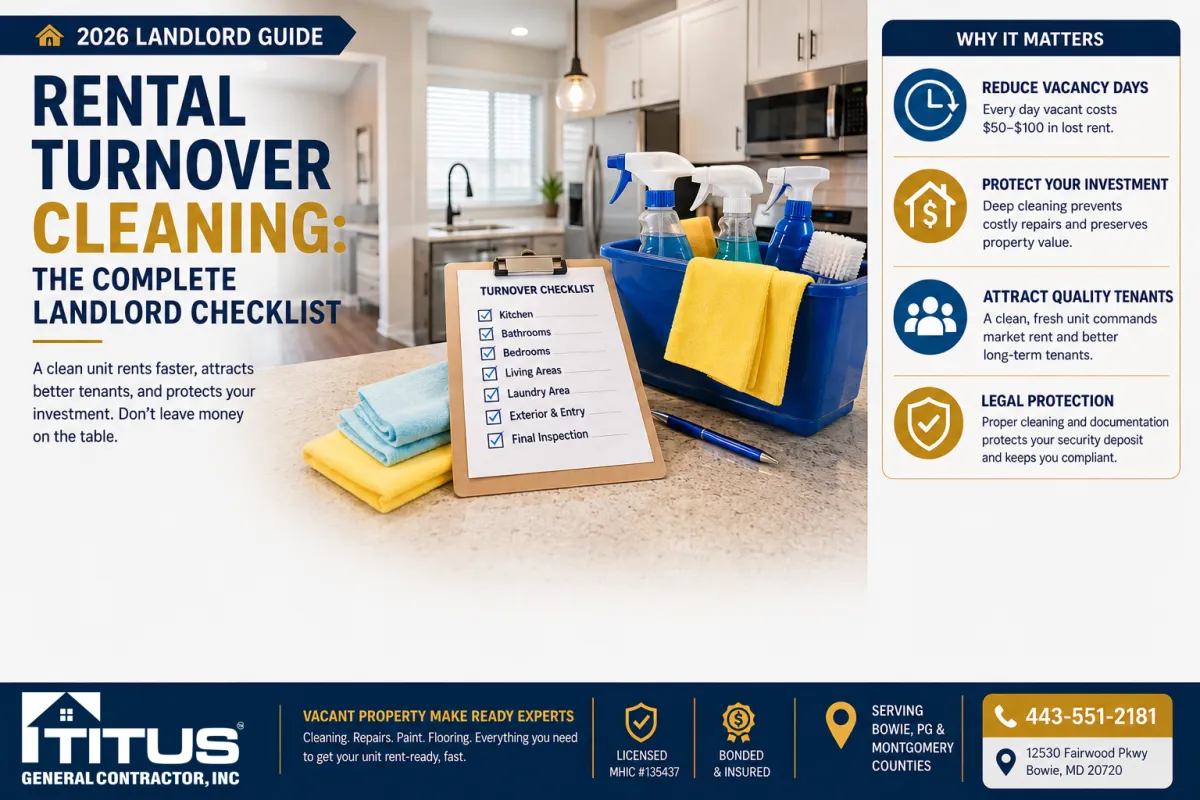
Rental Turnover Cleaning: The Complete Landlord Checklist (2026 Guide)
Every landlord knows the feeling. A tenant moves out, you walk through the unit, and what you find is somewhere between "needs a good scrub" and "where do I even start." The clock is ticking on your next rent check, your new tenant is already lined up, and the pressure to get the unit show-ready, fast, is real.
Rental turnover cleaning is one of the most overlooked and underestimated parts of owning investment property. Done right, it protects your property value, attracts better tenants, and dramatically reduces vacancy days. Done wrong, it costs you security deposits, bad reviews, and more repairs down the line than you ever expected.
This guide covers everything: a room-by-room checklist, realistic cost breakdowns, timelines, and the mistakes most landlords make that quietly eat into their profits.
What Is Rental Turnover Cleaning?
Rental turnover cleaning (also called make-ready cleaning or vacancy cleaning) is the thorough cleaning and preparation of a rental unit between tenants. Unlike routine cleaning, turnover cleaning is a deep, top-to-bottom process that addresses every surface, appliance, fixture, and system in the unit to restore it to rent-ready condition.
It typically happens within a narrow window, after a tenant vacates and before a new tenant moves in, making speed and thoroughness equally important.
The goal is simple: the unit should look, smell, and function as if no one has ever lived in it.
Why Rental Turnover Cleaning Is More Important Than Most Landlords Realize
Skipping steps or rushing through a turnover doesn't just affect aesthetics. It creates downstream problems that compound over time.
Poor cleaning accelerates wear and tear. Grease buildup in kitchen exhaust fans causes fires. Mold left unchecked behind appliances spreads to the drywall. Calcium deposits on shower fixtures cause permanent staining and plumbing issues.
It affects what you can charge. A well-presented unit commands market rent. A unit that still smells like the last tenant gets negotiated down, or sat on for weeks.
It's a legal consideration. In Maryland and most states, landlords are required to provide habitable housing. A unit with pest evidence, mold, or non-functioning appliances isn't legally rentable, and rushing past those issues exposes you to liability.
Your security deposit decisions depend on it. Documenting the unit's condition after thorough cleaning is what gives you the legal standing to deduct for actual tenant damage versus normal wear and tear.
According to the National Apartment Association, the average cost of a single vacancy day is $50–$100 in lost rent, depending on market and unit size. Every day your turnover drags on is money leaving your pocket. A systematic process cuts that time significantly.
The Complete Rental Turnover Cleaning Checklist (Room by Room)
This is the professional standard. Work through each area systematically, top to bottom, back to front.
Kitchen
The kitchen takes the most time and is the most likely source of hidden problems.
Appliances
Clean inside and outside of oven, including racks, broiler drawer, and drip pans
Degrease range hood filter (replace if beyond cleaning)
Wipe down all exterior surfaces of the refrigerator; defrost and clean interior shelves, drawers, and door gaskets
Clean inside and outside of dishwasher; run a cleaning cycle with dishwasher cleaner
Clean the microwave interior, exterior, and turntable
Wipe down all small appliances if left behind, or remove them
Cabinets & Drawers
Empty, wipe the interior and exterior of all cabinets and drawers
Check for pest evidence (droppings, gnaw marks) inside lower cabinets
Clean cabinet hardware
Countertops & Sink
Degrease and sanitize all countertop surfaces
Descalcify and sanitize sink; check and clean drain strainer
Polish or replace caulk around the sink if stained or moldy
Walls & Floors
Degrease the backsplash and the wall area above the stove
Clean exhaust vent covers
Sweep, mop, and sanitize all flooring; address grout lines
Pro Tip: Run the garbage disposal with ice cubes and dish soap, then flush with hot water. A foul-smelling disposal is one of the most common complaints from incoming tenants, and one of the easiest things to fix.
Bathrooms
Bathrooms require both deep cleaning and a sharp eye for maintenance issues that need to be addressed before the next tenant moves in.
Shower & Tub
Scrub all tile surfaces; treat grout with a grout cleaner or bleach solution
Descale showerhead (soak in white vinegar if heavily calcified)
Check caulking around tub and shower, recaulk if cracked, peeling, or discolored
Clean and sanitize shower door tracks and glass; remove hard water buildup
Inspect for any soft spots in the surrounding drywall that indicate water intrusion
Toilet
Clean under the rim, bowl, tank exterior, and base
Check for toilet rocking or soft flooring around the base (a sign of a wax ring leak)
Replace toilet seat, this is a low-cost step ($15–$25) that goes a long way with incoming tenants
Vanity & Sink
Clean and sanitize sink basin, drain, and faucet
Wipe down cabinet interior and exterior
Descale and clean mirror; replace if cracked
Ventilation
Clean exhaust fan cover and test that the fan is functioning
Poor bathroom ventilation is a leading cause of mold between tenancies
Walls & Floors
Sanitize all tile and grout; address visible mold with appropriate cleaner
Mop floors; address any staining or buildup in corners
Bedrooms
Bedrooms are often the cleanest rooms but require careful attention to a few specific areas.
Wipe down all window sills, ledges, and blinds (dust and debris accumulate in slats)
Clean interior of all closets: shelving, rods, and floors
Patch nail holes in walls (minor patching is standard between tenancies)
Touch up paint where needed
Clean ceiling fan blades and light fixture covers
Vacuum and shampoo carpet if present; assess whether replacement is warranted
Clean window tracks and test all window locks
Living Areas & Common Spaces
Dust all surfaces including baseboards, crown molding, and door frames
Clean light switches, outlet covers, and door hardware
Wipe down all doors and door frames, these collect hand oils and scuffs
Clean windows inside (exterior as applicable)
Address any wall scuffs, marks, or staining
Vacuum vents and return air covers
Clean fireplace interior and surround if present
Laundry Area (If Applicable)
Clean inside dryer drum and lint trap housing (not just the screen, the duct behind it)
Clean washing machine drum, gasket, and detergent drawer
Check washer hoses for cracking or bulging, replace if more than 5 years old
Clean utility sink if present
Exterior & Entry (If Applicable to Unit Type)
Sweep and clean front entry, porch, or balcony
Wipe down exterior light fixtures and check bulbs
Clean mailbox if assigned
Inspect and clean any assigned storage areas
How Long Does Rental Turnover Cleaning Take?
Timeline varies significantly by unit size and condition, but here are professional benchmarks:
Unit Type
Clean Condition
Average Condition
Poor Condition
Studio / 1BR
3–5 hours
5–8 hours
8–12 hours
2 Bedroom
5–7 hours
8–12 hours
12–18 hours
3 Bedroom
7–10 hours
12–16 hours
16–24+ hours
4+ Bedroom
10–14 hours
16–22 hours
24–36+ hours
"Average condition" assumes a tenant who kept the unit reasonably clean but didn't perform deep cleaning. "Poor condition" includes heavy grease buildup, pet odors, carpet staining, and general neglect.
Important: Cleaning time does not account for maintenance or repair work that may be identified during turnover. Budget additional time for patching, painting, appliance repairs, or system checks.
Rental Turnover Cleaning Costs: What to Budget in 2026
Cost depends on unit size, condition, location, and whether you hire professionals or do it yourself.
Professional Turnover Cleaning Rates (Maryland / Mid-Atlantic Region):
Service
Typical Cost Range
Studio or 1BR deep clean
$150–$300
2BR unit deep clean
$250–$450
3BR unit deep clean
$400–$650
Carpet shampooing (per room)
$40–$80
Oven deep clean (standalone)
$75–$150
Odor treatment/deodorizing
$100–$300
Window cleaning (interior)
$75–$150
Full Make-Ready Turnover (Cleaning + Minor Repairs + Paint Touch-Up):
Small unit (1–2BR): $600–$1,200
Larger unit (3–4BR): $1,200–$2,500
Heavily damaged or neglected units: $2,500–$5,000+
DIY Material Costs (Supplies for One Turnover):
Cleaning supplies and products: $50–$120
Replacement items (toilet seat, caulk, touch-up paint): $30–$80
Carpet cleaning machine rental: $40–$70 per day
Total DIY material estimate: $120–$270
The real cost of DIY is your time, and the risk of missing something a professional would catch.
7 Things Tenants Leave Behind That Most Landlords Miss
These are the issues that don't make the obvious checklist but come back to bite you.
1. Grease in the Exhaust Fan Duct. Cleaning the filter isn't enough. Grease migrates up the duct over time and creates a fire hazard. Run the fan and check the airflow. If it's weak, the duct may need cleaning or the motor may need replacement.
2. Mold Behind the Refrigerator and Washing Machine When appliances are pulled out for cleaning, mold from condensation and moisture is frequently found on the wall or floor behind them. It must be treated before the appliance goes back.
3. Pet Odor in Subfloor If a tenant had pets and didn't disclose it, urine can penetrate through carpet padding all the way into the subfloor. New carpet won't fix this; the subfloor needs to be treated or replaced, or the odor will resurface.
4. Hard Water Buildup in Toilet Tank Cleaning the toilet bowl is standard. The inside of the tank is usually ignored, but mineral buildup and algae inside the tank affect flush performance and can stain the bowl through the water supply.
5. Pests in Pantry or Under Sink. A few crumbs left behind is all it takes for a roach or mouse problem to establish between tenancies. Inspect the backs of lower cabinets, behind the stove, and under the sink carefully before the next tenant arrives.
6. HVAC Filter An unchanged filter isn't a cleaning issue; it's an air quality and system efficiency issue. A clogged filter left by the previous tenant forces your HVAC to work harder and shortens the system's life. Always replace it at every turnover.
7. Residue in Window Tracks Window tracks accumulate dead bugs, dirt, and moisture, creating a breeding ground for mold. A quick cleaning and a light application of silicone spray keep them functioning and clean.
DIY vs. Professional Rental Turnover Cleaning: Making the Right Call
DIY Makes Sense When:
You own a small portfolio (1–3 units) and have the time to invest
The unit is in excellent condition and needs light refreshing
You're comfortable with the full scope of work and have proper supplies
Your market has longer natural vacancy windows
Hire Professionals When:
You own multiple units and can't afford to have one sit vacant while you work on another
The unit is in average or poor condition and needs deep work
The previous tenant had pets, smoked, or left significant messes
You're trying to minimize days off market in a competitive rental market
You want a documented, professional-grade process for security deposit disputes
The Hybrid Approach (What Most Experienced Landlords Do): Handle the walkthrough and minor repairs yourself, then bring in a professional cleaning crew for the deep clean. This gives you control over the inspection while leveraging professional speed and thoroughness on the cleaning.
How to Minimize Vacancy Days During Rental Turnover
Every day counts. Here's how professional landlords shorten their turnover window without cutting corners:
Start Before the Tenant Leaves. Schedule your walkthrough for the day after the tenant's official move-out. Don't wait for them to hand in keys; have the date on your calendar and your contractor on standby. Every day you wait to assess is a day you lose scheduling with vendors.
Use a Standardized Checklist. Winging it takes longer and misses things. A room-by-room checklist keeps you and your contractors moving efficiently.
Batch Your Vendors Schedule cleaning, painting, carpet cleaning, and any repairs back-to-back or simultaneously where possible. Cleaning crew on Day 1, painters on Day 2, carpet cleaning on Day 3 is a tighter timeline than waiting for each one to finish before calling the next.
Keep a Make-Ready Supply Kit On Site. A small storage area (even just a shelf in the garage) stocked with commonly replaced items, light bulbs, outlet covers, toilet seats, caulk, and touch-up paint means you don't lose hours running to the hardware store.
Pre-Market Before Move-Out In most states, landlords can list a unit for rent before the current tenant vacates (with appropriate notice provisions). Getting your listing live during the final weeks of a tenancy can line up your next tenant before turnover even begins, reducing vacancy to near zero.
Frequently Asked Questions (FAQs)
What is included in rental turnover cleaning?
Rental turnover cleaning is a comprehensive deep clean of every surface, appliance, and fixture in a rental unit between tenancies. This includes kitchen appliances (inside and out), bathroom sanitizing and descaling, floor cleaning, window and blind cleaning, cabinet and closet interiors, wall scuff removal, and odor treatment. It goes significantly beyond standard recurring cleaning and is designed to restore the unit to move-in-ready condition.
How much should a landlord charge tenants for cleaning?
Landlords can deduct cleaning costs from a security deposit only if the unit is left in worse condition than its move-in state (beyond normal wear and tear). Document the unit's condition thoroughly with photos at both move-in and move-out. Typical deductions for excessive cleaning range from $150–$600 depending on severity. Charges must be itemized and accompanied by receipts in most states, including Maryland.
How often should rental properties be deep-cleaned?
A full deep clean should happen at every tenant turnover, regardless of how clean the unit appears. Additionally, many property managers schedule an annual walkthrough inspection mid-tenancy to catch maintenance issues early. Properties with high-turnover tenants (short-term rentals, furnished units) may require deep cleaning every 30–90 days.
What's the difference between turnover cleaning and make-ready?
"Make-ready" is a broader term that encompasses cleaning plus all the repairs, touch-ups, and maintenance needed to get a unit rent-ready. Make-ready typically includes cleaning, paint touch-up or full repaint, carpet shampoo or replacement, fixture repairs, and system checks. Turnover cleaning specifically refers to the cleaning component of that process.
Can I deduct turnover cleaning costs as a rental expense?
Yes. Turnover cleaning and make-ready expenses are generally deductible as ordinary and necessary business expenses for rental property owners. Keep all receipts from professional cleaners and contractors. Consult a tax professional familiar with rental property to ensure proper categorization. Some improvements may need to be depreciated rather than expensed in the same year.
How do I handle a rental unit left in extremely poor condition?
Start with a thorough photographic documentation of every room before touching anything. This protects your right to withhold from the security deposit. Then assess the scope: basic cleaning, biohazard cleaning (if applicable), pest treatment, odor remediation, and structural repairs, each require different professionals. In severe cases, it may be faster and more cost-effective to bring in a full make-ready contractor who can coordinate all trades rather than managing each vendor separately.
Should I replace the carpet at every tenant turnover?
Not necessarily. Carpet lifespan in a rental is typically 5–7 years under normal use. Assess condition at each turnover: if it responds well to professional shampooing and has no pet odor, staining, or visible damage, it can continue. Replace when it's visibly worn, stained beyond cleaning, holds odor after treatment, or has reached the end of its useful life. Replacing carpet unnecessarily is a poor use of renovation budget.
How do I find a reliable rental turnover cleaning or make-ready contractor?
Look for contractors who specifically mention rental or vacancy make-ready services. This indicates experience with turnovers rather than standard residential cleaning. Ask about their experience with multi-unit properties, their process for documentation, and their typical turnaround time. Get references from other landlords if possible. A contractor experienced in renovation and restoration (not just cleaning) can also flag maintenance issues during the process, giving you a more complete picture of your unit's condition.
What are the most commonly missed items during rental turnover cleaning?
Commonly overlooked areas include: the inside of the oven broiler drawer, the refrigerator drip pan, exhaust fan duct interiors, the area behind and underneath appliances, window tracks, cabinet interiors, bathroom exhaust fans, dryer duct lint buildup, and under-sink plumbing for moisture or pest evidence. A systematic room-by-room checklist prevents these from slipping through.
Do I need to repaint at every rental turnover?
Not always. Most landlords repaint every 2–3 tenancies or every 3–5 years, whichever comes first. Between repaints, touch up scuffs and marks with matching paint. A full repaint is warranted when there are significant holes, heavy scuffs throughout, smoke or odor absorption into the walls, or color that is visibly dirty or faded. A fresh coat of paint is one of the highest-impact and most cost-effective things you can do to attract quality tenants.
Conclusion: A Clean Turnover Is a Profitable Turnover
Rental turnover cleaning isn't just about making a unit look nice for the next tenant. It's a systematic process that protects your investment, shortens your vacancy window, reduces your liability, and sets the standard for how incoming tenants will treat the property.
The landlords who do this well, who treat every turnover as an opportunity to catch small problems before they become expensive ones, consistently outperform those who rush through it. The difference shows up in property condition over time, tenant quality, and long-term return on investment.
If you're a landlord or property manager in the Bowie, Prince George's County, or Montgomery County area, Titus General Contractor Inc offers full Vacant Property Make Ready services cleaning coordination, repairs, paint, flooring, and everything in between. We get your unit back on the market faster, done right, with the documentation you need to protect your investment.
Stop losing rent to extended vacancies.
Request a free make-ready estimate today or call us at 443-551-2181. We'll walk the unit with you and give you a clear, itemized plan to get it rent-ready.

TESTIMONIALS
HEAR FROM SATISFIED CLIENTS

Delivering excellence in construction and renovation with a commitment to quality craftsmanship and customer satisfaction in Bowie, Maryland.
HOURS OF OPERATION
MON - FRI 9:00AM - 7:00PM
SAT - By Appointment Only
SUN - Closed
ACCREDITATION
Licensed
Bonded
Fully Insured MHIC #135437
CONNECT


© 2026 Titus General Contractor Inc. All Rights Reserved.